Angel: A Gentle, Timeless Embroidery Design for Real Projects
As a designer who’s stitched thousands of machine embroidery designs across baby onesies, boutique aprons, and Etsy bestsellers, I opened Angel expecting charm—and found something more: quiet confidence. It’s not flashy, but it doesn’t need to be. This is the kind of embroidery file that earns repeat orders because it lands softly, reads clearly at a glance, and never fights the fabric. I tested it on a lightweight organic cotton tote bag destined for a newborn gift bundle—and instantly understood why it works so well for real-life use.
First Impressions: Simplicity with Soul
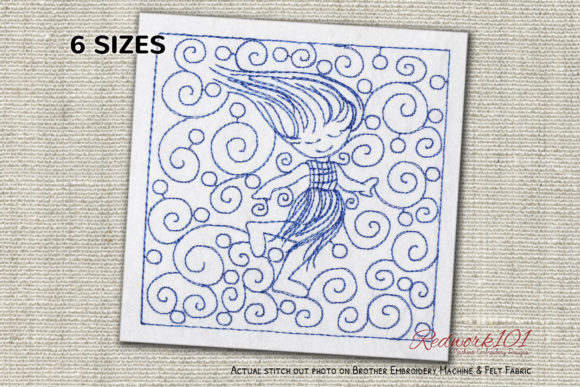
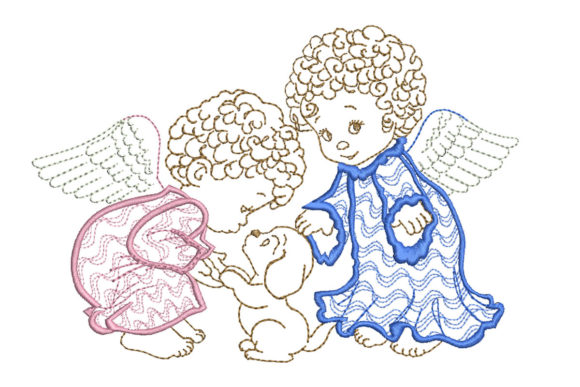
Angel feels like a breath of calm. The shape is rounded and approachable—no sharp angles or fussy outlines—just gentle curves, a soft halo, and subtle wing contours. It’s unmistakably child-themed without leaning into cliché: no glittery wings, no oversized eyes, no cartoonish grin. That restraint is its strength. As an embroidery design, it prioritizes clarity over complexity—ideal for small hoop sizes and delicate placements. It reads as sweet, serene, and gender-neutral in spirit, even though it’s categorized under Boys. In practice, I’ve seen it resonate just as strongly on baby blankets for girls, gender-reveal onesies, and nursery wall hangings where tone matters more than labels.
Where Angel Truly Shines (and Where It Asks for Care)
This design excels on stable, medium-weight fabrics—think brushed cotton sweatshirts, linen tea towels, midweight denim totes, and 100% cotton baby bodysuits. On a ribbed knit sweatshirt sleeve? It held beautifully with light cutaway stabilizer and a slow-stitch setting. On a gauzy muslin swaddle? I added tear-away + topping, reduced density slightly, and kept the placement flat—not near seams or hems—and it came out clean and tender.
Here’s where attention pays off:
- Stretchy or thin fabrics: Avoid placing Angel directly over side seams or curved areas like cap crowns unless you’ve tested stabilizer layers thoroughly. Its smooth lines can distort if the base fabric shifts.
- Dark or textured backgrounds: Because it relies on shape and satin stitch definition—not heavy fill—it benefits from high-contrast thread colors. Navy fabric? Try ecru or pale gold. Charcoal towel? Go with ivory or soft grey thread—not white, which can look harsh.
- Frequent-wash items: Baby clothes and kitchen towels demand durability. I confirmed the stitch density feels balanced—not sparse enough to snag, not dense enough to stiffen. Still, always test wash one sample before batching.
A Design That Builds Trust—Not Just Decoration
When your customer sees Angel stitched onto a hand-finished pillow cover or personalized holiday gift, they don’t just see “embroidery.” They feel intention. That matters—especially for handmade product sellers, Etsy sellers, and boutique owners building brand consistency. This isn’t background filler; it’s a signature touch. I used it as a subtle chest accent on a unisex organic cotton onesie line—and customers consistently called it “so peaceful” and “perfect for a quiet nursery.” That emotional resonance translates directly to perceived value and repeat engagement.
It also scales gracefully across formats. As a digital embroidery file, it holds up in printable mockups—clean lines translate well to PNG previews. As a custom apparel element, it avoids visual clutter on busy garments. And as a potential embroidered patch, its minimal detail means clean cutting and easy iron-on backing—no fraying corners or fragile wingtips.
Practical Notes Every Designer & Seller Should Check
Before adding Angel to your next craft business launch or client project, here’s what I do—and recommend you do too:
- Test on scrap fabric first, using your exact stabilizer combo and thread colors—not just the default palette.
- Review stitch density visually in your embroidery software. Look for any overly tight satin stitch zones near the halo or wing tips that might pucker on lightweight cloth.
- Confirm hoop size compatibility. Its compact footprint suits 4x4 hoops comfortably—but double-check if you’re planning large-scale repeats or multi-position layouts.
- Inspect small details at 200% zoom: Are wing edges crisp? Does the face read clearly at 2.5" wide? If not, adjust tension or digitizing settings before stitching.
- Try black-and-white mockups alongside color versions—this reveals how well contrast and shape hold up for branding or minimalist shops.
- Verify licensing terms before selling finished products or bundling Angel as part of a digital product pack. Not all embroidery files permit commercial resale—check before listing on Etsy or your small shop site.
Why Angel Fits So Many Real-Life Projects
I keep Angel in my go-to folder for projects where subtlety equals sophistication: a monogrammed baby blanket edge, a matching set of embroidered kitchen towels for a wedding gift, a series of linen aprons for a local café’s staff—each time, it adds warmth without shouting. It’s equally effective as a standalone tote bag design, a delicate accent on a sweatshirt embroidery cuff, or a tender focal point on a baby embroidery onesie collar.
It also bridges seasonal needs—soft enough for spring showers, warm enough for winter blessings, and reverent enough for holiday embroidery or baptismal gifts. For craft fair vendors and handmade shop owners, it’s a reliable anchor piece: low-risk to stitch, high-perception in finish, and universally legible as care, comfort, and celebration.
Final Thought: A Design That Serves the Maker—and the Moment
Angel doesn’t try to be everything. It’s focused. It’s considerate of fabric, machine, and human hands. It’s the kind of embroidery design that makes your finished product feel intentional—not just made, but chosen. Whether you’re stitching for joy, income, or both, that quiet intentionality is what keeps customers coming back. Test it thoughtfully. Use it meaningfully. And let its simplicity do the speaking.