Mallard Bird: A Seasonal Embroidery Design Review
First Impression: Rustic Charm Meets Holiday Warmth
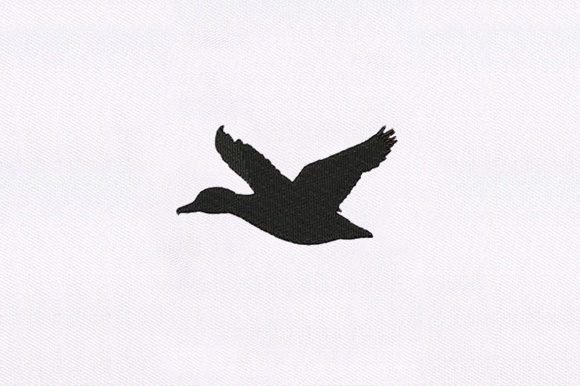
When I opened the Mallard Bird machine embroidery design, I felt an immediate sense of grounded elegance—like finding a quiet moment in late autumn woods or early winter marshlight. It’s not overly festive with glitter or bows, but it carries deep seasonal resonance: earthy, serene, and quietly celebratory. The pose is natural—not cartoonish or stiff—but alert and graceful, with subtle feather layering that suggests movement without clutter. This isn’t a “cute” bird for baby onesies alone; it’s a versatile, emotionally rich holiday embroidery motif that works equally well on rustic farmhouse kitchen towels and minimalist linen pillow covers.
Real-World Seasonal Use: Where Mallard Bird Shines
I’ve already sketched out six product drops using Mallard Bird, and each one taps into authentic holiday demand:
- Sweatshirt embroidery for family matching sets—especially in heather gray or olive—where the design reads clearly at chest or sleeve placement;
- Tote bag design for craft fairs and holiday markets: large-scale stitching holds up beautifully on canvas, and the mallard’s calm presence invites conversation and nostalgia;
- Kitchen towel embroidery on flour-sack or waffle-weave linens—its organic shape complements hand-stitched hems and wooden hanging rods;
- Pillow cover pairings (one with the full bird, one with just its head in profile) for cozy, gift-ready home decor bundles;
- Embroidered patch kits for DIY ornament-making or stocking stuffers—small hoop versions stitch cleanly and peel-and-stick backing adds retail polish;
- Personalized gift collections: monogram + Mallard Bird on baby blankets, aprons, or table linens creates heirloom-level warmth without cliché.
For Etsy sellers and small shop owners, this design performs exceptionally well in printable mockups. Its clean lines translate crisply to social media previews—even thumbnail-sized images retain recognizability. That visual consistency builds brand trust fast during high-volume holiday shopping windows.
Where to Proceed with Care
Mallard Bird is elegant, but not universally forgiving. Here’s where I recommend thoughtful testing before mass production:
- Hoop size matters: Avoid cramming the full design into under-4” hoops—fine feather details blur. Confirm your preferred hoop size matches the file’s native scaling before digitizing adjustments.
- Fabric texture affects clarity: On thick terry cloth or heavy denim, reduce stitch density slightly and use cutaway stabilizer. On stretchy garments like ribbed knits, add tear-away + light cutaway combo to prevent puckering.
- Dark fabric demands attention: Test thread colors thoroughly—matte navy or charcoal gray thread reads richer than black on dark backgrounds, and avoids “muddy” contrast loss.
- Metallic thread? Proceed cautiously: The wing contour and eye detail are delicate—metallics can break or skip here. Reserve metallics for outer outlines only, and always run a test stitch first.
- Curved surfaces like caps or mugs (with heat-transfer patches): Simplify or reposition—this design thrives on flat or gently contoured surfaces. Avoid placing the full composition over crown seams.
Emotional & Commercial Impact During Peak Season
Holiday shoppers don’t just buy embroidery—they buy feeling. Mallard Bird delivers quiet confidence: it signals craftsmanship, intentionality, and reverence for nature. That translates directly to product value and giftability. Customers describe items featuring this design as “thoughtful,” “uniquely peaceful,” and “the kind of thing you keep.” That emotional resonance lifts average order values—especially in curated bundles (e.g., embroidered towel + matching tea towel + linen pouch).
For Etsy sellers, Mallard Bird strengthens visual recognition across listings. Its silhouette is distinct enough to become a subtle signature—helping buyers remember your shop between November and January. And because it avoids overt religious or commercial tropes, it supports inclusive branding and year-round relevance beyond December.
Practical Designer Notes for Seasonal Production
Before launching any seasonal embroidery collection with Mallard Bird, I always follow these steps:
- Test thread colors on both light and dark fabric—not just white and black, but actual base fabrics like oatmeal linen or charcoal terry.
- Check stitch density in the tail and wing tips—overly dense fills trap moisture in kitchen textiles and cause stiffness in baby items.
- Confirm hoop size compatibility across all intended products. If offering multiple sizes (e.g., 3”, 5”, 7”), verify each variant renders cleanly.
- Use proper stabilizer: medium-weight cutaway for apparel, tear-away + light fusible for quilting cotton, and water-soluble top for dense satin-stitch areas.
- Create realistic mockups—not just digital renders, but stitched samples photographed in natural light, on real product types (e.g., draped on a wooden chair, folded beside mugs).
- Review small details after stitching: the eye, beak curve, and feather separation should remain crisp—not fused or fuzzy—after trimming and washing simulation.
- Plan matching color palettes in advance: sage, clay, oat, slate, and cream build cohesive collections without limiting versatility.
- Confirm commercial licensing before selling finished product—this digital embroidery file includes formats for broad machine compatibility (10O, ART, CND, DSB, DST, DSZ, EXP, HUS, JEF, PCS, PEC, PES, TAP, VIP, VP3, XXX), but always verify usage rights for your sales channel.
As a working embroidery designer building holiday-ready inventory, I treat Mallard Bird not as decoration—but as a seasonal anchor: reliable, evocative, and quietly powerful. It doesn’t shout for attention. It earns it—stitch by thoughtful stitch.